
Effect pigments for resin



Product sorting
2 items total
List of products

2,27 € excl. VAT
2,75 €
/ pcs
Gold Pearl Ink – 15 ml, classic gold colour for epoxy creations.

Listing controls
2 items total
What effects can it do
- Pearl/mica powders – a delicate, silky sheen, suitable for jewellery and larger castings.
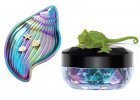
- Interference & duochrome – changes hue depending on the angle of light.
- Holographic – striking rainbow glitter for a dynamic effect.
- Alcohol inks – organic maps and a 'coral' look on the surface of the resin.
- Cell effect – creation of cells/eyes through controlled separation (e.g. with silicone oil).
How to use them
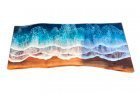
- Mix into clear casting resin and work in thin or thicker layers depending on the goal.
- For powder pigments, start with a small amount and gradually add to the desired saturation.
- Apply alcohol inks to a fresh/tacky layer of resin for smooth blending.
- For the cell effect, use a drop of silicone oil and gently manipulate with a heat gun to open the cells.
- Layering and combining multiple shades will achieve depth and transitions.
Practical tips
- Pigments may sediment – stir the mixture continuously and work within the recommended processing time.
- Effect particles increase optical saturation – do not exceed the resin manufacturer's recommended dosage.
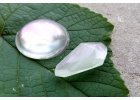
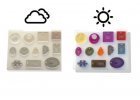
- For larger areas, test the shade on a small sample (light significantly changes perception).